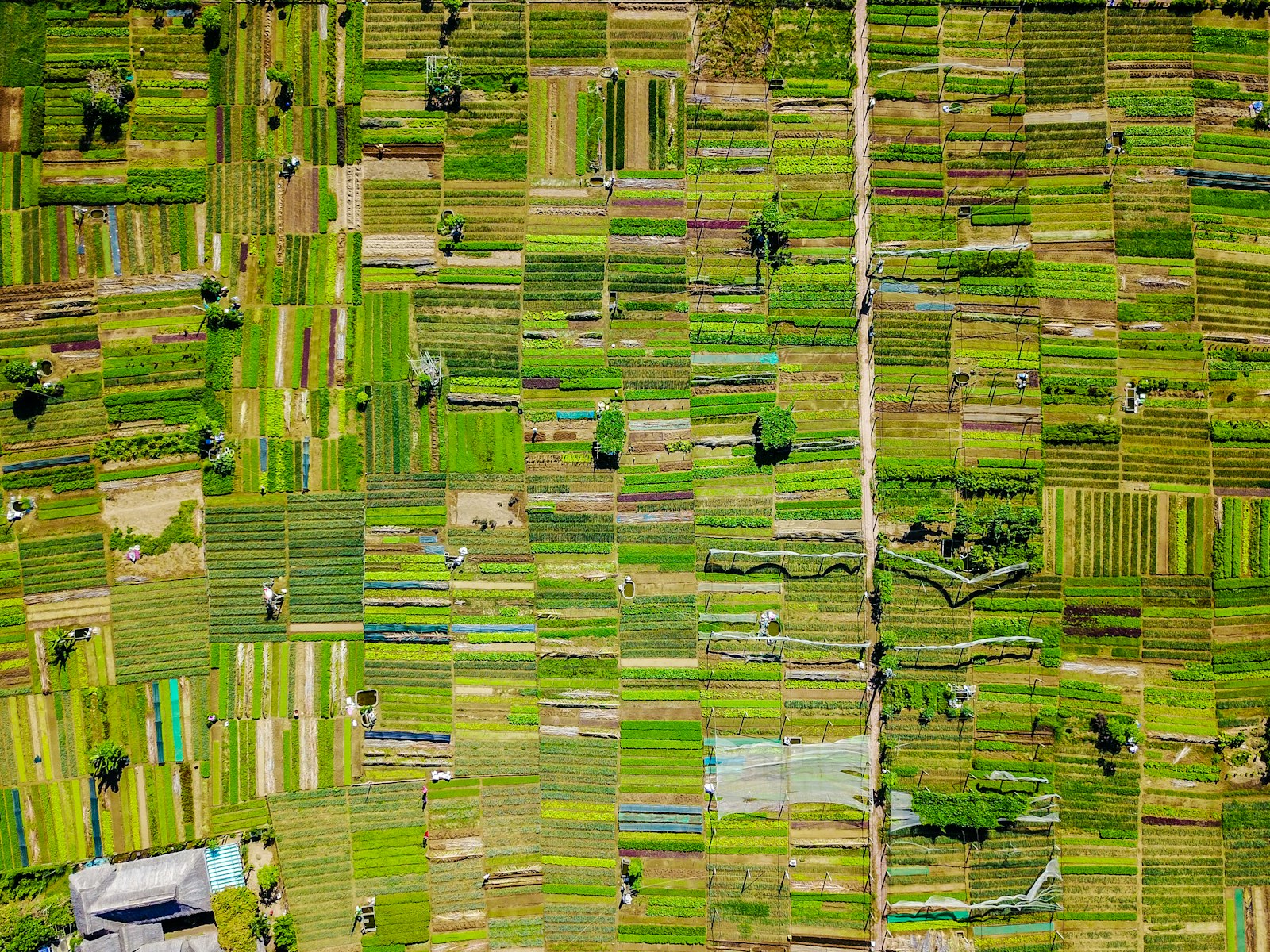
Soil organic carbon (SOC) is one of the most consequential — and most under-measured — variables in African carbon and land-use accounting. This paper outlines Kayo Pulse's approach to building SOC prediction models trained specifically on African ground-truth data, combining satellite-derived spectral and vegetation indices with lab-verified soil sampling to close the accuracy gap most global models carry into African soils.

Carbon markets have matured around a single metric — tonnes of CO2. Biodiversity has no equivalent common currency, which makes it easy to overlook in project design. This paper examines the emerging biodiversity credit landscape and sets out a framework for layering biodiversity indicators onto existing carbon project monitoring, using Earth observation as the consistent, verifiable baseline.
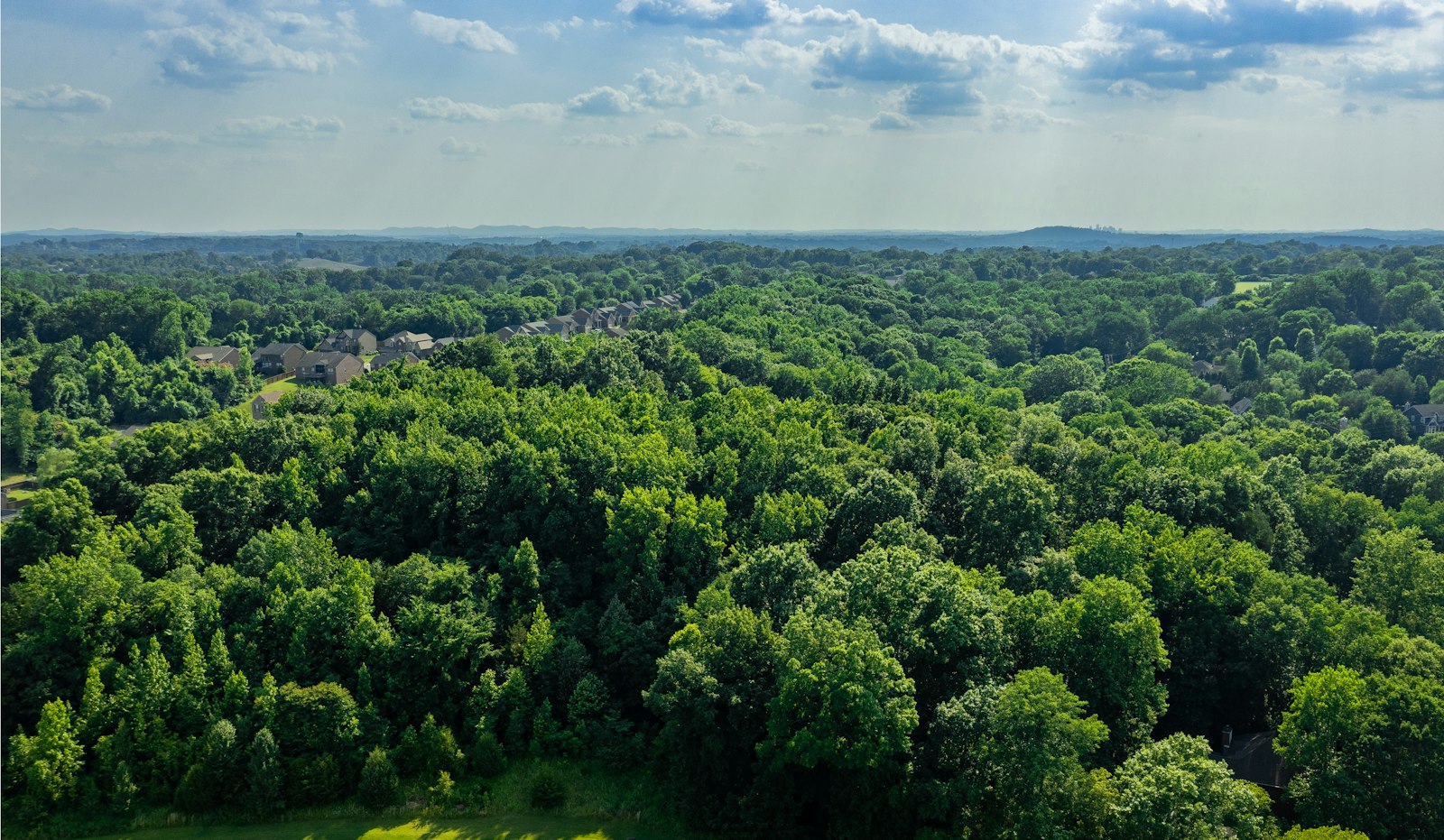
Satellite monitoring gives frequent, wide-area coverage but limited ground-truth resolution; field visits give precision but are slow and infrequent. This paper describes an in-forest architecture combining edge-AI drones with IoT and LiDAR sensors to close the gap between satellite-scale and stem-scale carbon measurement — keeping MRV fast and field-verified.